Mentoring

Lesson 5: When Lean Meets Large Organizations – Innovation and Learning Culture in Traditional Enterprises

When people talk about Lean Startup, most imagine small, agile teams, rough products, and limited budgets. But a decade of practice has shown: Lean was never meant only for startups. Lean is a learning management mindset in uncertainty — and “uncertainty” is precisely the constant state of large enterprises facing digital transformation, green transition, and supply chain shifts.

Therefore, Lean enters large organizations not through “startup slogans,” but through cycles of fast learning – disciplined decision-making – and evidence-based scaling.

In this article, I share how traditional enterprises can apply Lean to refresh their solution portfolios, test ideas quickly in real markets, and build a culture of innovation — and outline how KisStartup has partnered with corporations through a “venture client + mentoring” model, including programs with Mitsui Chemicals, Hồ Gươm Group, and other partners.

Lean in Large Organizations: Why It’s Different – and Must Be Different

Startups lack resources so they must learn fast. Corporations have abundant resources but often lack the urgency to learn. The difference lies in accountability structure: every decision affects multiple departments, processes are complex, and reputational risks are high.

That’s why Lean in corporations cannot simply mean “creating an innovation team and assigning them KPI on ideas.” It requires a new architecture:

  • Enterprise-level hypotheses: Instead of “Will anyone use this feature?”, the question becomes “Which new growth path has evidence strong enough to justify investment?”
  • Safe-to-try domains: Protected spaces where teams can run Build–Measure–Learn cycles without disrupting core operations.
  • Innovation accounting: A learning dashboard that ties experiments to financial decision gates.

Without these three pillars, “doing Lean” often becomes internal PR rather than real change.

From Corporate Problems to Real-Market Experiments

Large organizations often start from solutions (buying software, setting up R&D centers), while Lean starts from problems.

Our first step with corporate clients is always to define the problem as a testable hypothesis: identify affected users (internal or external), current behaviors, opportunity costs, and expected market signals if the hypothesis is correct.

Then, project teams must meet real customers — B2B or internal users — to turn the problem into a Meaningful MVP: a value message, a minimal process, or a “good enough to learn” service package.

In corporations, MVPs are not always software; many are trial services, semi-finished products, channel experiments, pricing policies, or new operational configurations. Lean broadens the definition of “product” — and therefore opens the door to new business models.

Case Studies

Mitsui Chemicals: Reverse Pitch & Pre-Investment Evidence

Within the framework of open innovation collaboration, our teams worked with the partner to co-design market–technology problem statements around smart materials, sustainability, chain traceability, and data applications. A typical process includes clarifying downstream value assumptions (who pays, and for what value), building an MVP that is Meaningful–Valuable–Practical, running small pilots with B2B customers in Vietnam or within the regional network, and finally consolidating innovation accounting for the technical–business council to decide whether to “scale or stop.”
What matters most is not whether a single experiment succeeds, but how fast credible evidence is created to support financial decisions.

Venture client model: the corporation presents a real, market-anchored “open problem” (reverse pitch); KisStartup searches, screens, and matches suitable startups/technology teams.


Ho Guom Group: How a Large Enterprise Applies Lean Startup in Its Own Operations

Ho Guom Group offers an illustrative example of how a large enterprise can adopt the Lean Startup mindset—not only to optimize processes but also to learn quickly and improve continuously.

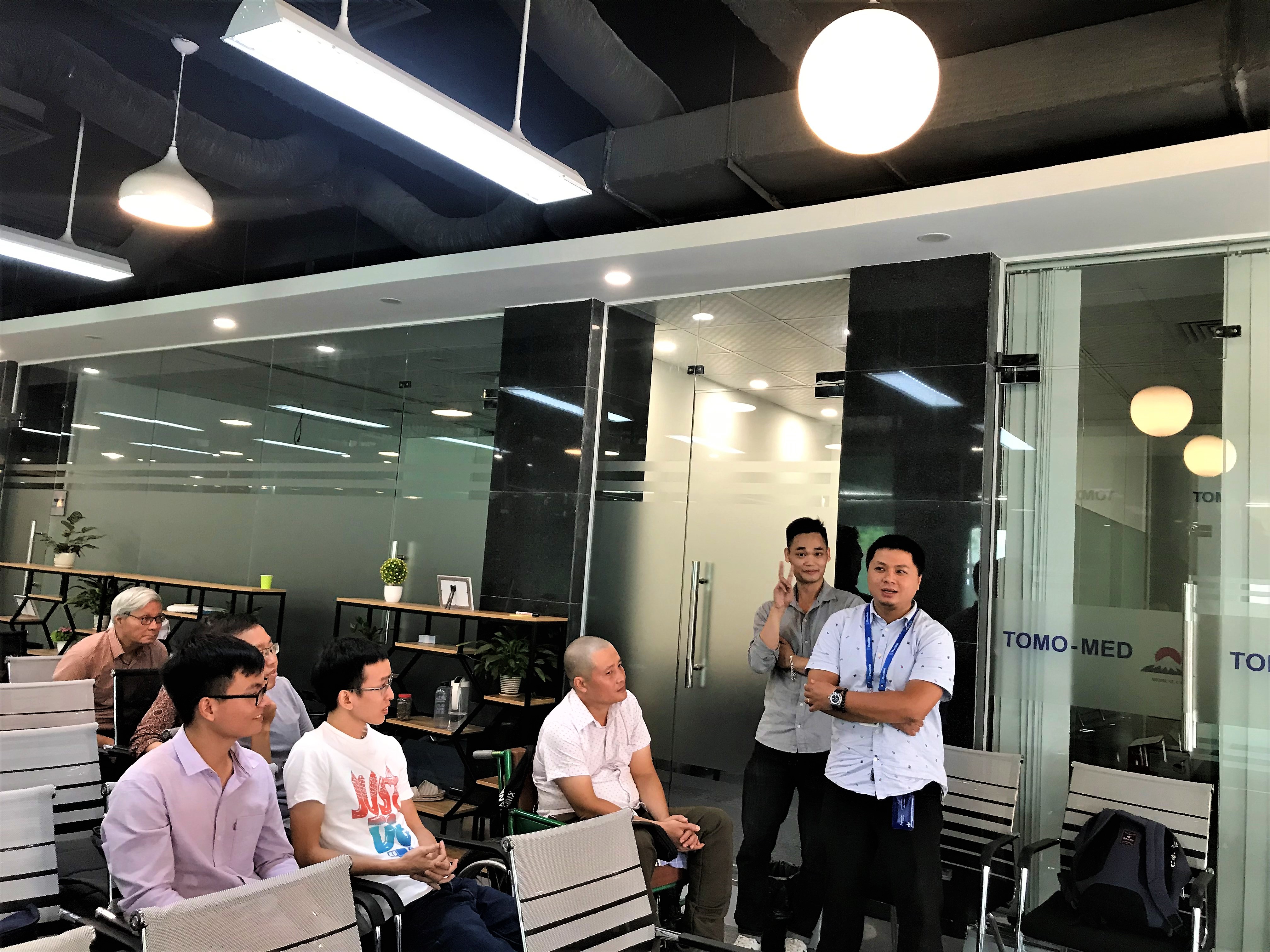
Through the “bridge” created by the VNU Center for Knowledge Transfer and Start-up Support (VNU-CSK) and KisStartup, the Vietnamese partner of the LIF Global Program, Ho Guom Group opened its real operational challenges to external experts, inviting scientists to jointly “work the problem” using a Lean approach: start from a concrete issue, identify feasible solutions, run small, safe-to-fail experiments, measure results, then adjust.

From this series of exchanges, nine innovators collaborated to discuss, analyze root causes, and propose solutions that could be trialed quickly and at low cost. Notable suggestions included installing sensors to detect overload points on the production line to flag congestion early, and introducing an internal barcode system to trace and measure each product’s path during manufacturing.

Ho Guom Group representatives appreciated this “lean” approach, noting that the proposed ideas were practical, testable, and ready for immediate piloting—well aligned with the group’s ongoing digital transformation and process optimization journey.

From a Lean Startup perspective, this was not merely a “technology consulting session,” but a complete learning loop—a moment where a large enterprise actively practiced an “open” culture, learned from small errors, and gradually embedded innovation into everyday operations.


Other Programs: From Digital Transformation to Green Export

Across KisStartup’s different program components (inclusive digital transformation, green-export business model innovation, and institute–industry technology linkage), Lean serves as the learning contract: businesses commit to 2–3 real experiments, at least one shared leading indicator (e.g., “7-day return-customer rate,” “cost-to-serve per order”), a learning log after each cycle, and paired mentors to resolve “people bottlenecks.”
Once data begins to flow, AI and digital platforms finally start to unlock their true value.


Mentoring Inside the Enterprise: Not a Trend, but the Soft Infrastructure of Lean

Many global corporations treat mentoring as an organizational advantage: it shortens learning curves, improves retention, and creates safe feedback loops for experimentation. In Vietnam, embedding mentoring inside enterprises is even more essential because our culture tends to avoid failure—while Lean requires failing the right way.

When designing mentoring programs, we avoid “symbolic” activities. The most effective method is to connect mentors directly with the pilot sprint:

  • Internal mentors (process, legal, finance) ensure experiments do not break the system or stall due to procedures.

  • External mentors (entrepreneurs, technologists, investors) help teams speak the language of the market and see risks/opportunities beyond industry habits.

  • Each mentor–mentee pair signs a simple learning contract: what critical assumption this round tests; what evidence is needed; and what threshold triggers a decision.

When mentoring is tied to real problems and real data, it becomes a mechanism that protects a learning culture: people are encouraged to ask questions, face feedback, and have support when making difficult decisions.

“Enterprise MVP”: Test Small – Measure Fast – Decide Clearly

The MVP concept inside a corporation is different from that of a startup. At corporate scale, “minimum” does not mean “cheapest,” but “just enough to learn with acceptable risk.”
Common and effective forms include:

  • Channel MVP: deploy in one product line, one region, or one time slot to read demand/profit signals before scaling.

  • Add-on service MVP: layer a “thin” service (express delivery, maintenance bundle, personalized consultation) to test willingness to pay.

  • Semi-finished/data MVP: when the market shows demand for components (modules, materials, data feeds), redefine the product—many firms discover new revenue streams this way.

  • Process MVP: alter a single step (authentication, approval, shift assignment) to quantify cost–experience impact.

The core is always innovation accounting: each MVP is tied to one assumption, one leading metric, one go/no-go threshold. Without a learning dashboard, an MVP becomes just “testing for the sake of testing.”

From Product Innovation to Cultural Innovation

Many companies think innovation means launching new products. The more durable innovation is cultural: shifting from “right/wrong by hierarchy” to “right/wrong by evidence”; from “beautiful reports” to “clear lessons”; from “KPI must win” to “disciplined learning.”

Examples include:

  • Monday Learning Hour: each unit shares one evidence-based insight from customers/partners.

  • Thursday Experiment Block: 4 hours dedicated to micro-tests with basic measurement and a sponsor.

  • Friday Reflection: What did we learn? What surprised us? What is the one thing we will change next week?

These routines are cheaper than any “innovation mindset workshop,” yet they build the organizational habit of learning—essential for Lean to endure.

People Before Technology: A Repeated Lesson from Pilots

In many consulting cases, companies begin with the expectation that AI will forecast or personalize. Our answer is always the same: yes—but only after data, and data only after people.
Start with a data MVP (single source of truth, defined indicators, learning logs) plus behavioral mentoring (daring to ask, test, and show failure). Once the data muscles and cultural muscles form, any technology becomes effective.

At a municipal service corporation, the indicator “combined-service utilization rate” became the leading metric for restructuring customer experience. By testing in only two sites and one time block, the intrapreneur team demonstrated a double-digit weekly uplift; that small piece of evidence unlocked the budget for full-scale rollout.

The 90–180 Day Roadmap: A Lean Playbook for Enterprises

  • Weeks 0–2: Frame the problem as a testable assumption. One page: who, what pain, current behaviors, opportunity cost, expected signal. Select one leading indicator.

  • Weeks 3–6: Build the MVP (Meaningful–Valuable–Practical). Test small, safely, with clear measurement and branching rules. Assign internal/external mentors.

  • Weeks 7–12: Run 2–3 Build–Measure–Learn cycles. Each ends with a one-page learning memo; decisions are made based on evidence.

  • Months 4–6: Standardize innovation accounting + scale. Turn small wins into playbooks; turn informed failures into a learning library. Build the mentor network and operationalize the three cultural rituals.

Do it right, and the enterprise gains not only better products/pilots, but a team that knows how to learn—the most valuable capability in uncertainty.

Lean as a Learning Contract Between Strategy and People

When Lean meets a large organization, the fastest change is not technology, but decision-making:
from “I think” to “the data shows”;
from “who wins the argument” to “which evidence wins.”

Innovation stops being an event and becomes the weekly rhythm of the organization.

KisStartup believes in a simple but powerful formula: a well-defined open problem + meaningful MVP + shoulder-to-shoulder mentoring + disciplined innovation accounting. With Mitsui Chemicals, Ho Guom Group, and many other partners, this disciplined cycle reduces investment risk, accelerates market entry, and—most importantly—builds a learning culture where innovation is not a project, but an organizational capability.

Lean began as a startup method. In large enterprises, Lean becomes a learning contract between strategy and people. And when that contract is written in evidence, the organization will always find the right answer—even when the world changes the question every day.

© KisStartup. All rights reserved. Any reproduction, quotation, or use requires proper attribution to KisStartup.
Author: 
Nguyễn Đặng Tuấn Minh

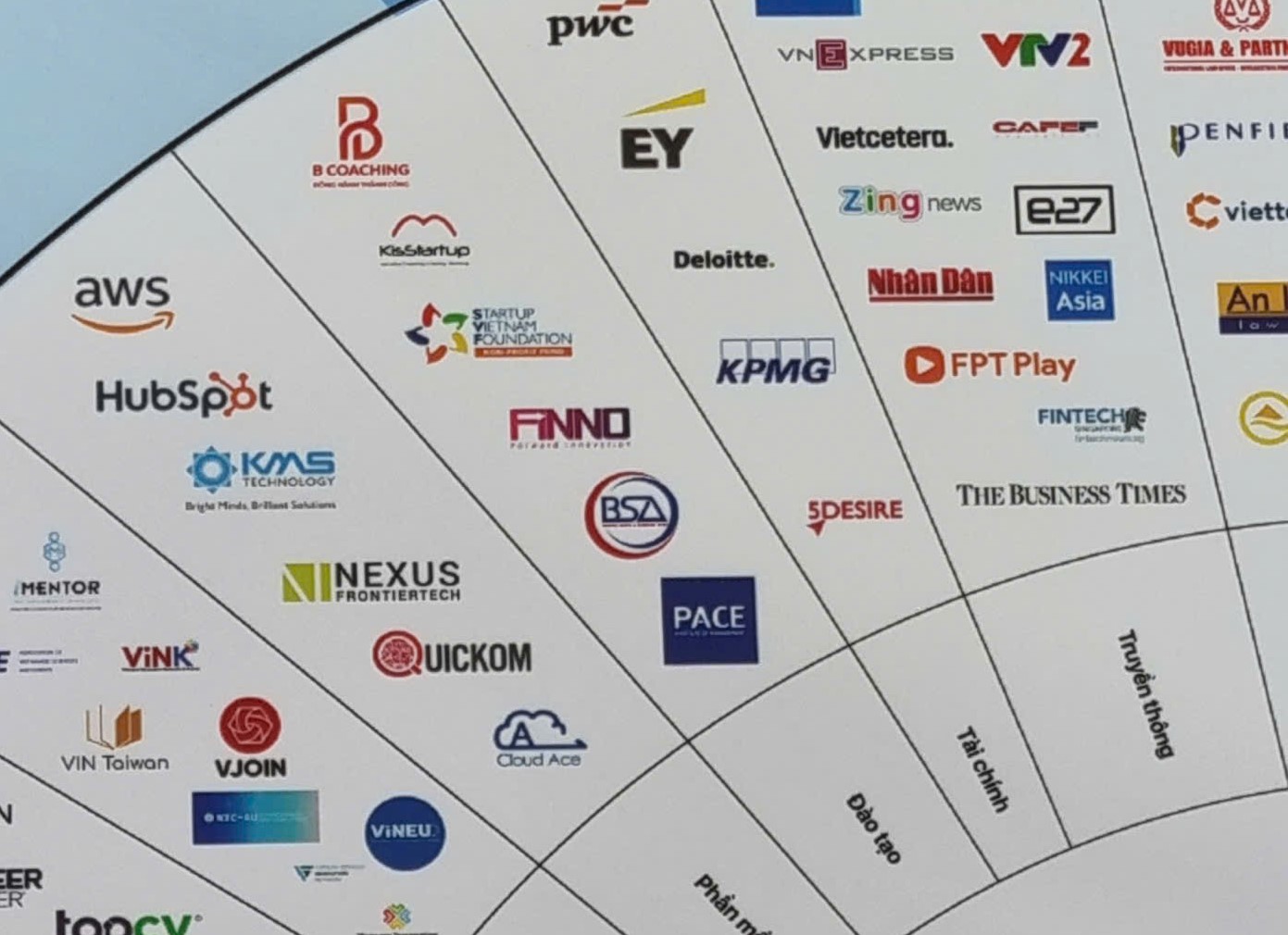
KisStartup is honored to be a piece of the puzzle on the map of Vietnam’s startup ecosystem

A Meaningful Milestone After 10 Years of Steadfast Innovation

At the National Exhibition of Achievements—held by the Ministry of Science and Technology to celebrate the 80th anniversary of Vietnam’s National Day—we were deeply honored to see the KisStartup logo featured on the map of Vietnam’s innovation and startup ecosystem. This recognition is not only a source of pride for us, but also a reminder to remain humble, dedicated, and resilient throughout our decade-long journey supporting entrepreneurs.

In a world eager for quick, headline-grabbing success, we believe that true change comes from perseverance. Every startup we accompany is more than a figure in a report; it is a vital piece of a larger picture. Every trainer we mentor will, in turn, pass knowledge to hundreds of students in the years ahead. That is how we understand sustainable innovation: not by creating one-off miracles, but by laying the foundation for positive change to multiply on its own.

Execution Matters More Than Ideas

After years of working with hundreds of startups, KisStartup has learned a crucial truth: good ideas can come from anywhere, but the ability to turn those ideas into reality is rare. That’s why entrepreneurship isn’t a race against time—it’s a race to shorten the learning curve and build the fundamental capabilities needed to transform ideas into sustainable action.

When implementing donor-funded projects in general—and the IDAP program in particular—we chose not to simply teach businesses how to use digital tools. Instead, we approached it as an inclusive, market-system-oriented effort to develop a comprehensive digital transformation ecosystem. We put businesses and their needs at the center. For the ecosystem’s players to work effectively together, every stakeholder must strengthen their own capacity. Once that happens, universities can connect with enterprises, service providers can link with users, and a self-sustaining support network can emerge. This process has deepened our understanding of our own role.

Along the way, KisStartup has helped startups expand their markets. Companies like So Ban Hang and Sac Moc Tinh not only brought technology to new audiences but also uncovered fresh needs. To foster local ecosystem models, we’ve invested in understanding our partners’ requirements as well as in sharpening our own expertise. Our organization and projects serve as incubators where all ecosystem stakeholders can participate and grow.

Inclusive Innovation, Broader Connections

One of the most valuable lessons from our innovation journey came through the IDAP4D program, where we opened opportunities for people with disabilities. At first, we thought we were creating chances for a specific group. But with creative methods and flexible approaches, locally run service providers led by people with disabilities began to take shape. From these efforts, a model for enabling persons with disabilities to join the digital transformation has emerged—one that is closely intertwined with the local ecosystem.

Responsibility on the National Innovation Map

Seeing the KisStartup logo on Vietnam’s national startup and innovation map brought not just pride, but also a profound sense of responsibility. It’s a call to keep laying small but steady building blocks so that, one day, innovation will no longer be the privilege of a select few, but the shared capability of an entire community.

Presence at the Exhibition Extended to 15/09/2025

Being featured in the national exhibition—whose duration the Prime Minister has decided to extend until 15/09/2025—is not only a recognition, but also a daily reminder of our commitment. The past ten years are only the beginning. We believe that with every small yet steady step, KisStartup will continue to be a trusted companion, helping transform aspirations into reality and ideas into positive impact for the community and society.

KisStartup – Knowledge Transformed into Action, Aspirations into Reality!

Innovation for Sustainable Community Development

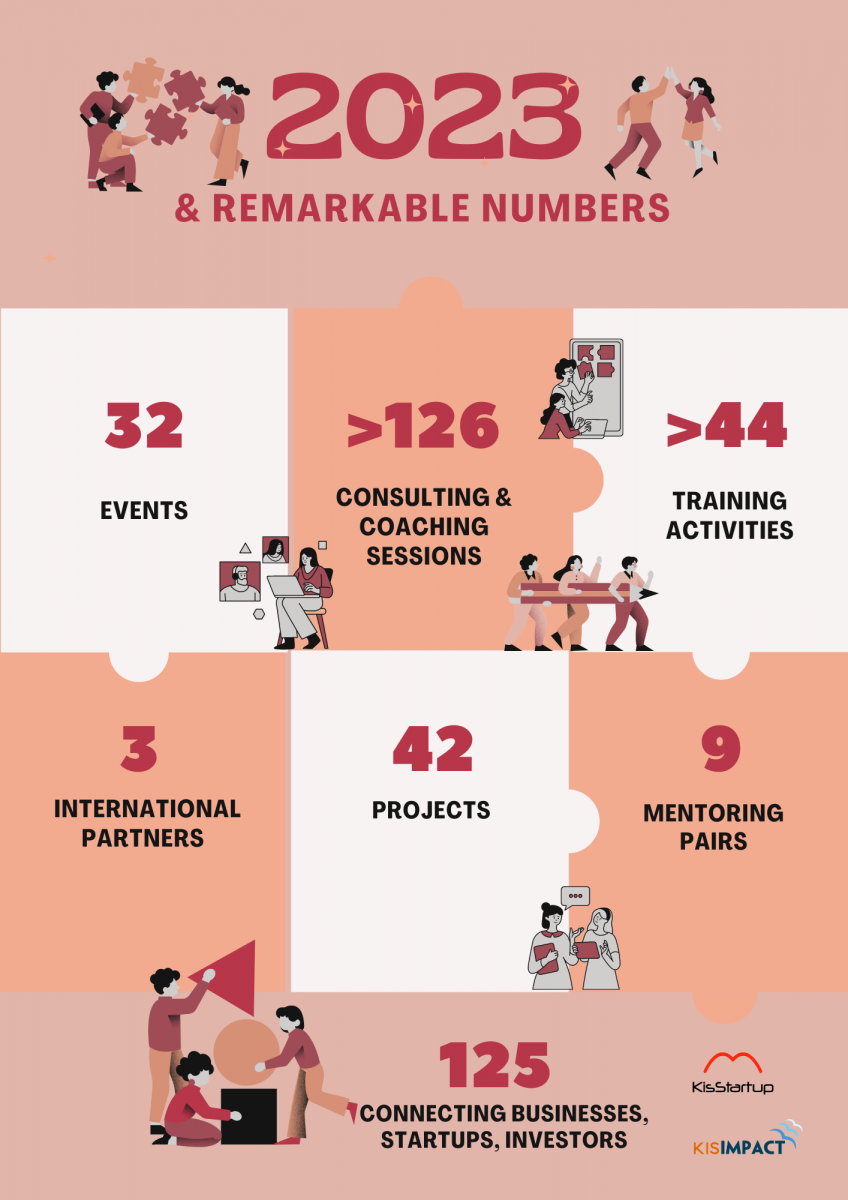
Kisstartup in 2023 - A Year of Milestones

As always, the beginning of a new year is a time for our team to reflect on the results of the previous year and to prepare for the plans ahead. Here are some key metrics that we would like to share:

  • 32: Number of events, including both in-person and online
  • 44: Training sessions
  • 126: Consulting and coaching sessions
  • 3: New international markets: Japan, Canada
  • 42: Programs designed and operated by KisStartup and KisImpact
  • 9: Mentor-mentee pairs established in the SME 1on1 mentoring program
  • 125: Networking community of businesses, startups, and investors, both domestic and international

For us, numbers are not just a reflection of success and failure. They are also a source of lessons and new ideas. We use them to improve our weaknesses and to be bolder in our changes.

To our partners, colleagues, and customers, we hope that these numbers provide a glimpse into our work and accomplishments. They are not the whole story, but they are a starting point for building trust and collaboration in the years to come.

We would like to express our sincere gratitude to the network of partners and collaborators in the KisStartup ecosystem for their tremendous efforts and support. We could not quantify their contributions, since they are invaluable.

From the KisStartup team.
 

Piloting the Vietnam Women's Union Mentoring program (VWU Mentoring)

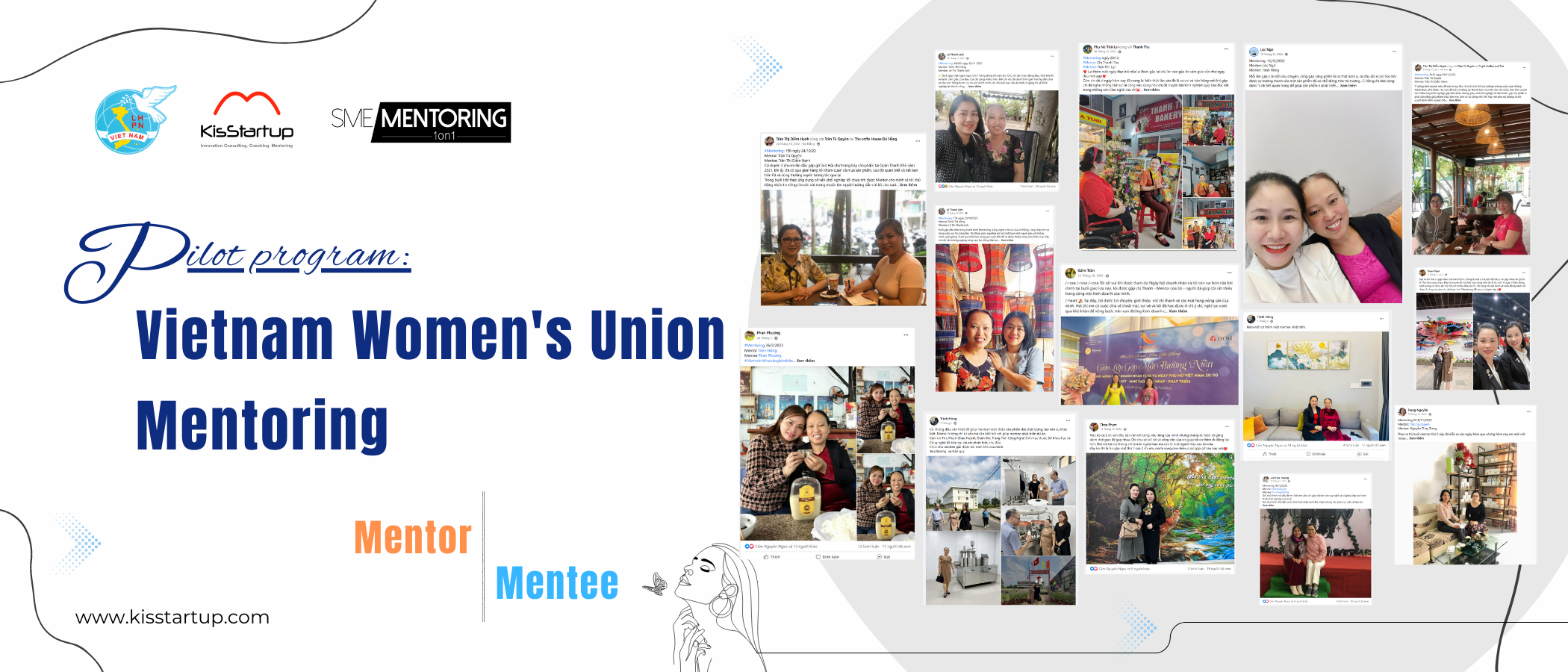
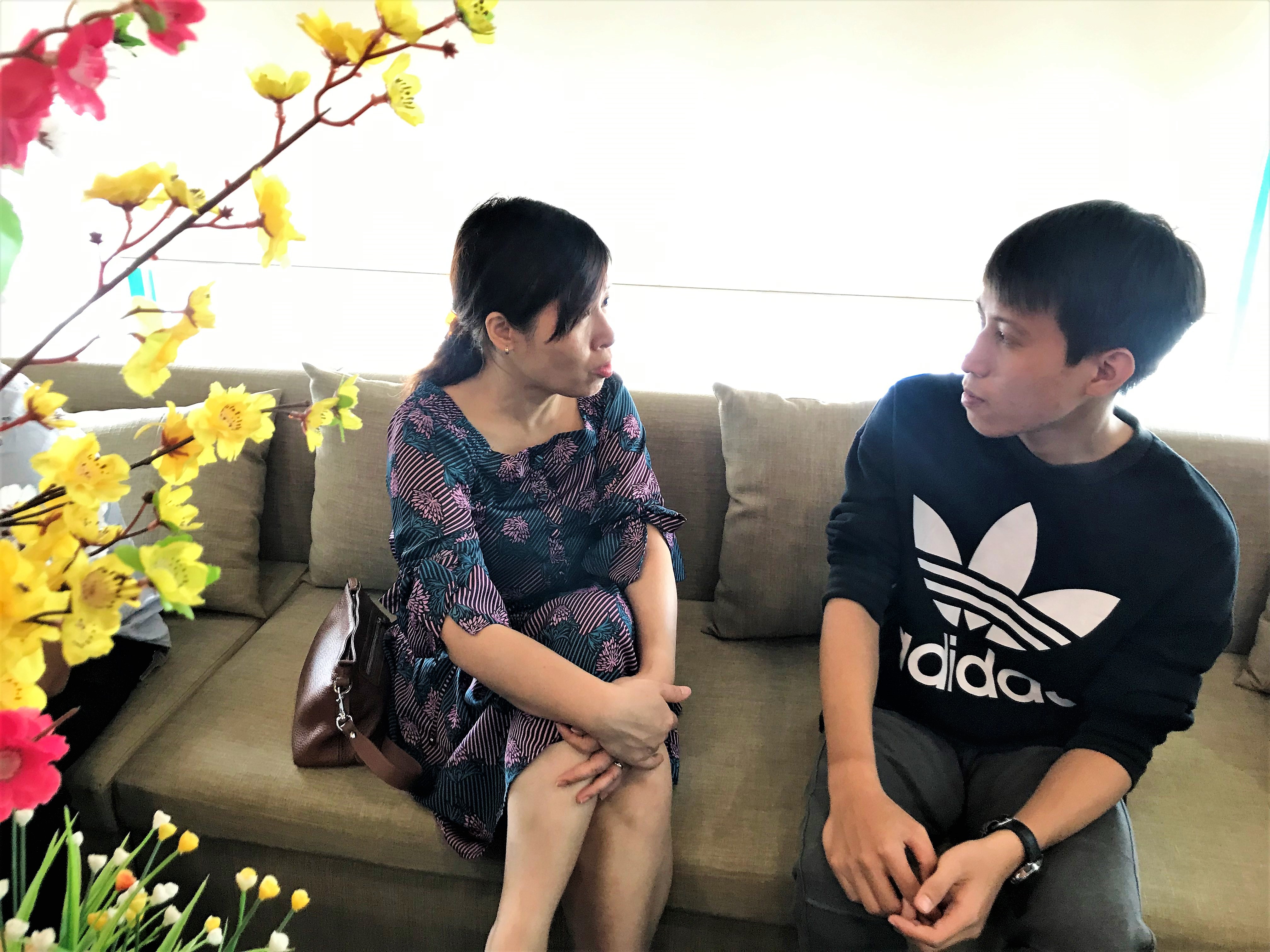
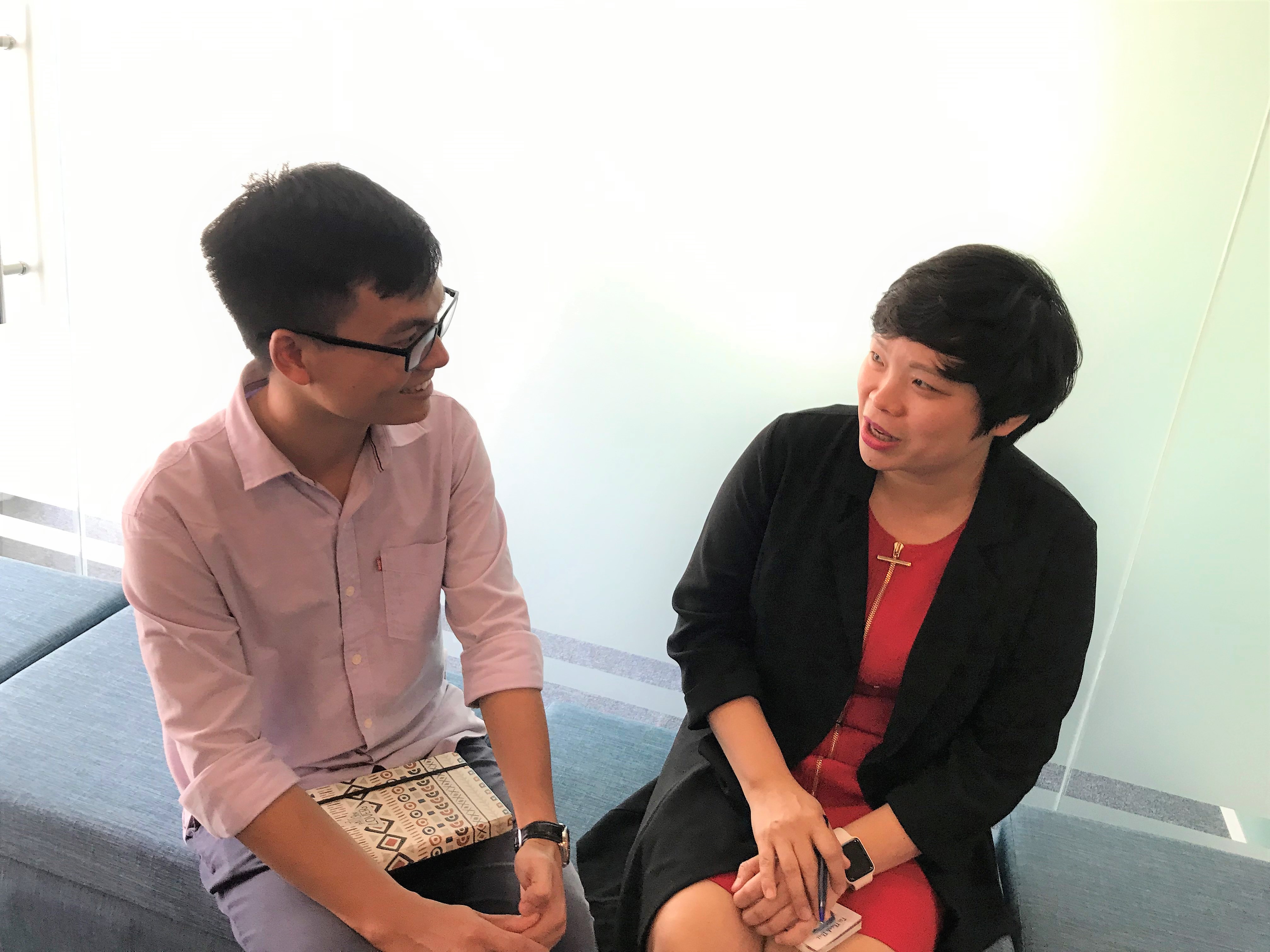
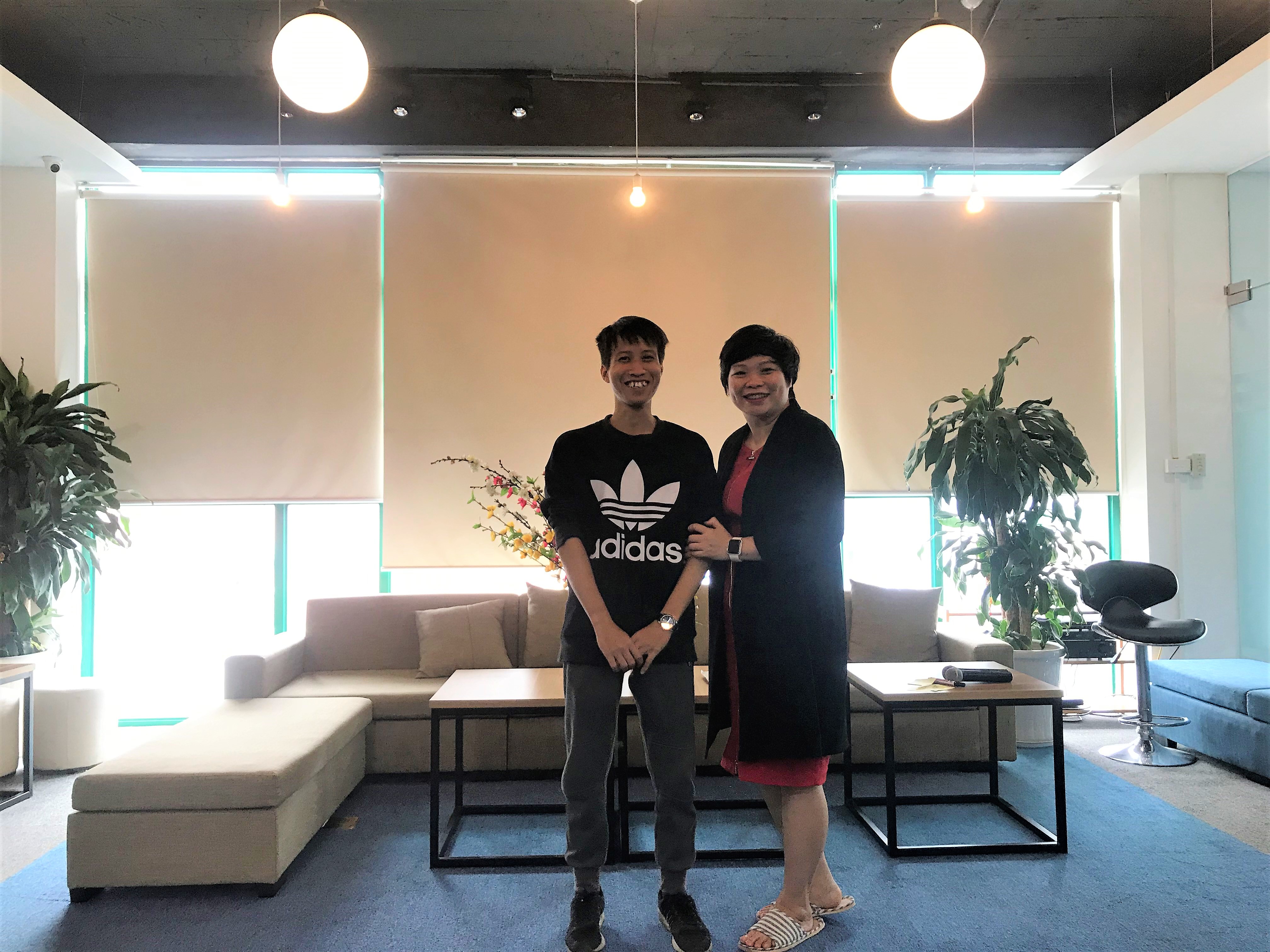
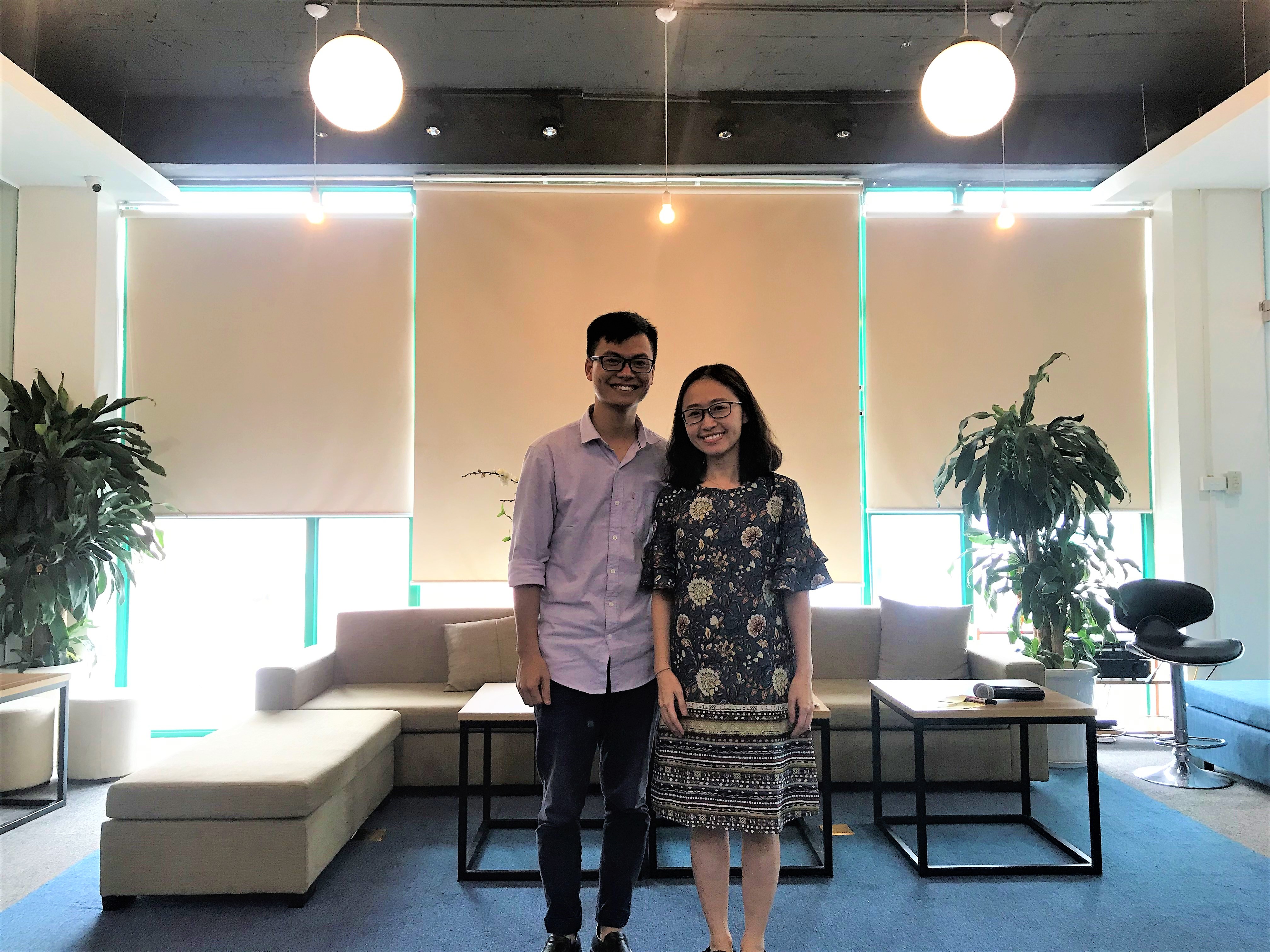
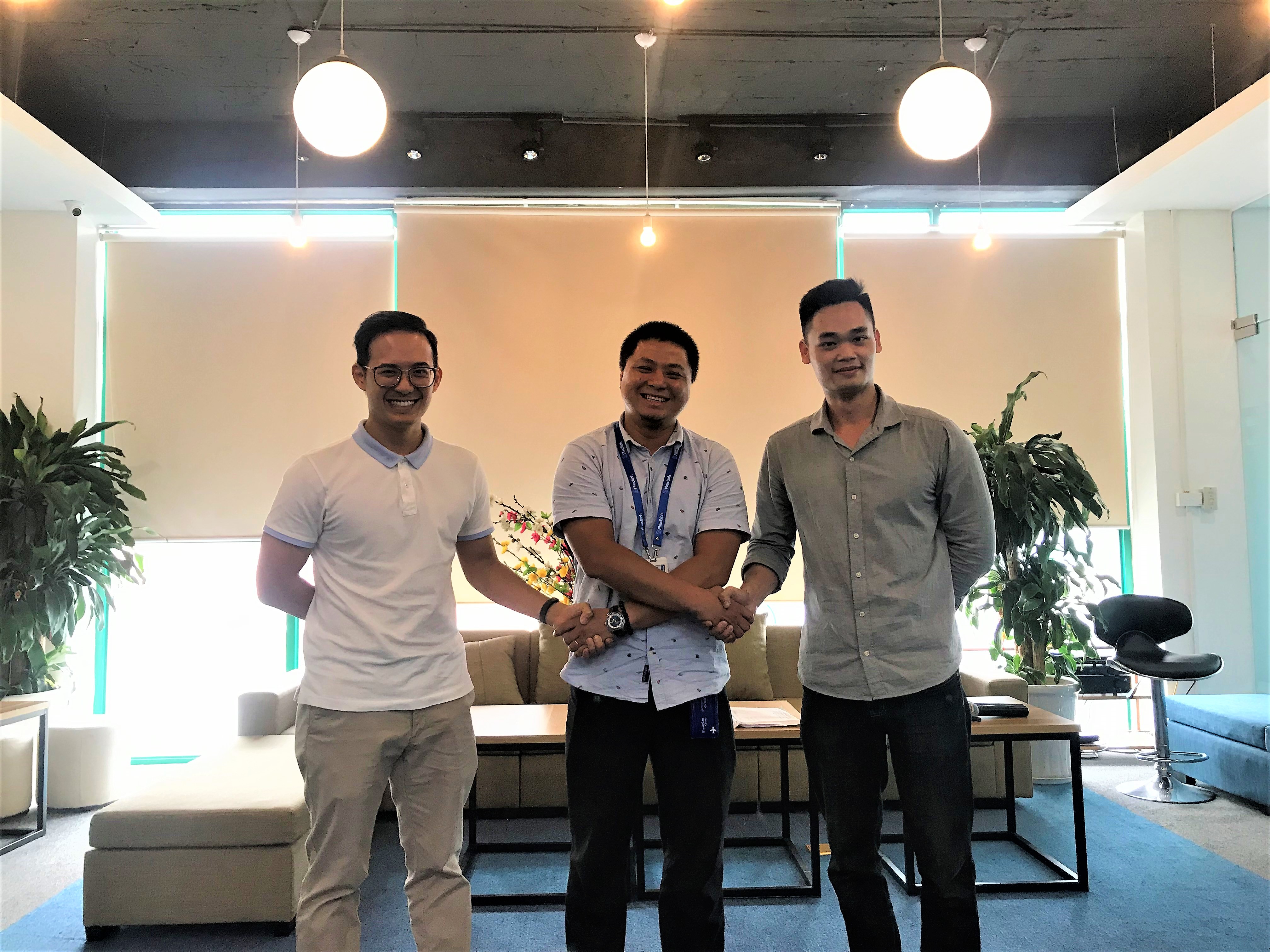
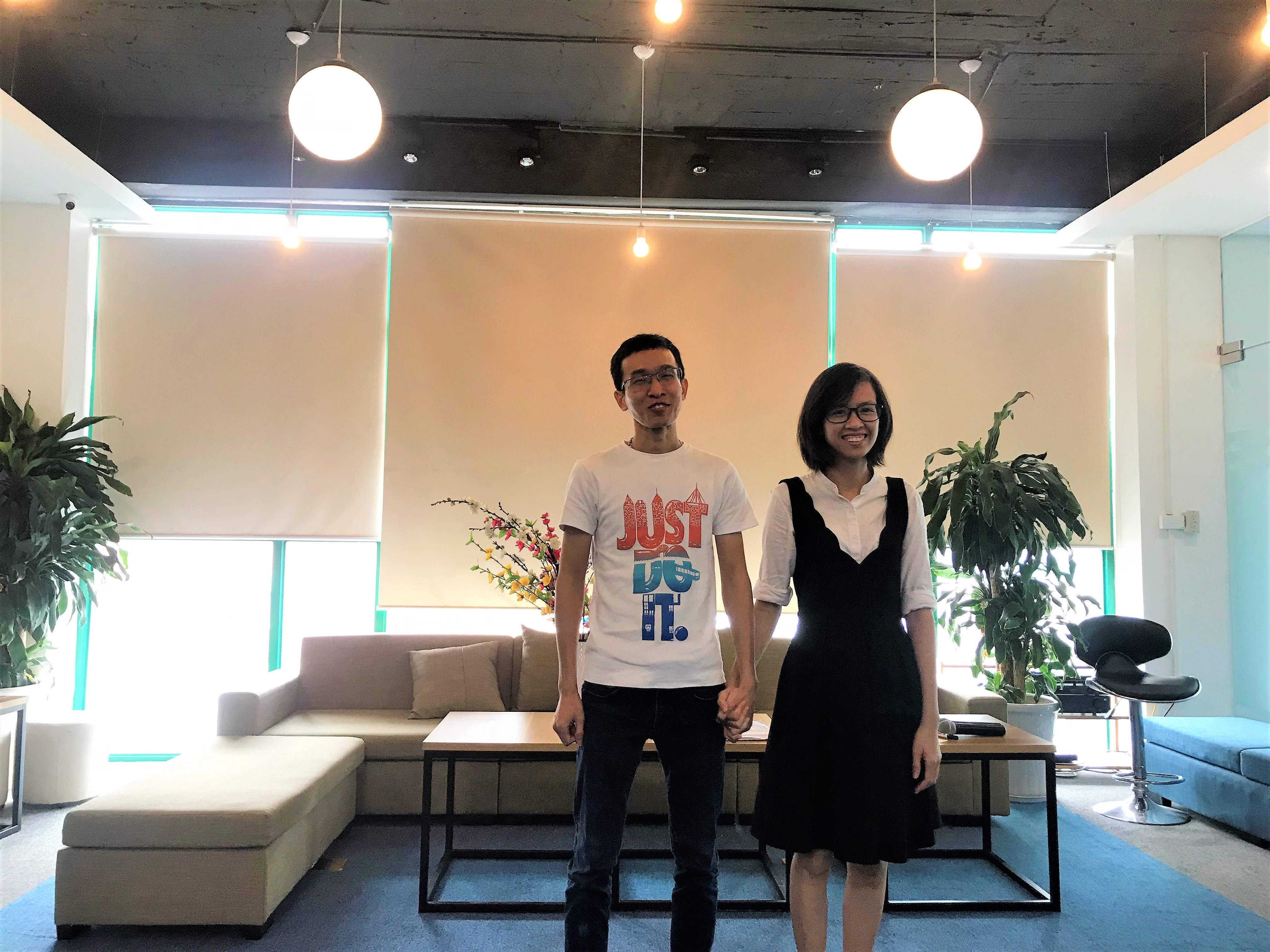
Mentoring images of Mentor - Mentee couples in VWU Mentoring Program

Image source: Community VWU Mentoring

In 2022, KisStartup cooperates with the Economic Department - Vietnam Women's Union, and the Women's Union of Hai Phong City and Da Nang City to pilot the Vietnam Women's Union Mentoring program (VWU Mentoring).

This is another version that comes from the SME Mentoring 1on1 program that we strive to implement with the goal of: Pilot implementation, process transfer and orientation to replicate the Mentoring model specifically for women starting a business in localities in order to maintain and expand the operation of the network of women starting businesses across the country.

With 4 months of implementation, we completed:

  • Successfully organized 04 seminars to share knowledge about Mentoring in two localities;
  • Training 08 staff directly managing and operating the VWU Mentoring program (03 officials of Vietnam Women's Union and 05 officers of provincial Women's Union);
  • Successful matching for 28 couples of Mentor - Mentee;
  • Standardize processes, documents, tools used to manage and operate the VWU Mentoring program.

After program,,

  • 80% of Mentor - Mentee couples see the change and benefits brought by mentoring. At the same time, Mentor - Mentee couples in 2 localities continue to maintain and develop mentoring relationships;; 
  • Mentoring is integrated into the activities of the Women's Startup Clubs in two localities to help improve connections and support each other in business and life;
  • More new members have joined the VWU Mentoring community.


KisStartup's plan in 2023,

  • Continuing to accompany in order to maintain and develop the VWU Mentoring Community in Hai Phong City and Da Nang City;
  • Coordinate with Vietnam Women's Union to replicate VWU Mentoring model in other localities;
  • Working with Universities to pilot mentoring programs exclusively for students;
  • Ready to package and transfer the management and operation process of the mentoring program to organizations/individuals.


For any questions or concerns about the program, please contact us by email hello@kisstartup.com or phone number +84 969 902 553 (Ms. Cẩm -Program Manager)

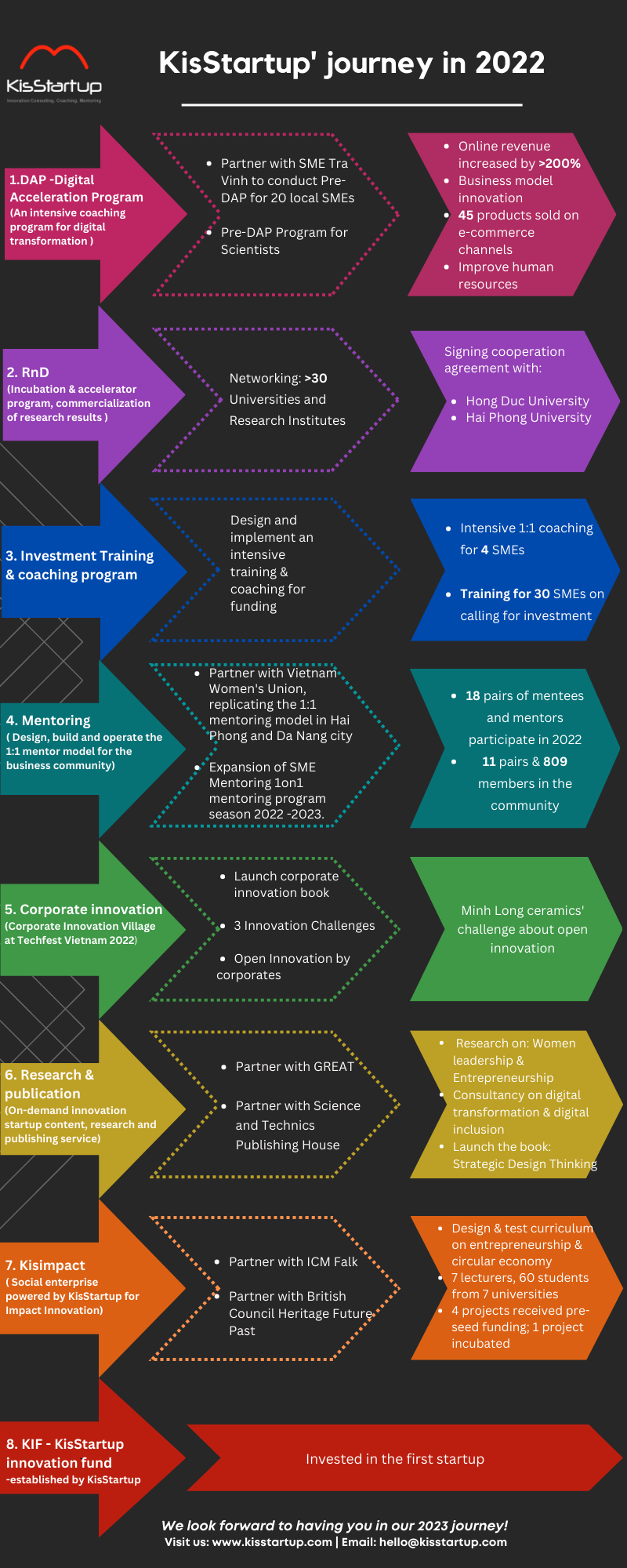
KisStartup's 2022 journey


2022 witnessed the ups and downs, difficulties, efforts of enterprise to overcome COVID 19 and recover. Many SMEs in our network had to close down. However, we also have opportunities to accompany new innovation with original business models. KisStartup believes that 2022 is a full year of tears, sweat and extraordinary efforts. KisStartup constantly strives to accompany and build strong ties with businesses, organizations and promote the development of the VietNam startup ecosystem. On the journey of innovation, we are grateful to our partners for overcoming challenges with us and sharing our achievements.

With the KisStartup team, we had a proud year of hard working and studying wherever we were. We believe that the foundation in 2022 is a stepping stone for further steps and more value.

Let's look back on KisStartup's 2022 Journey and prepare for a new plan. 

Looking forward to having you in the 2023 journey!

Visit us: www.kisstartup.com 

Contact: hello@kisstartup.com | | Phone: +84 982 498 095


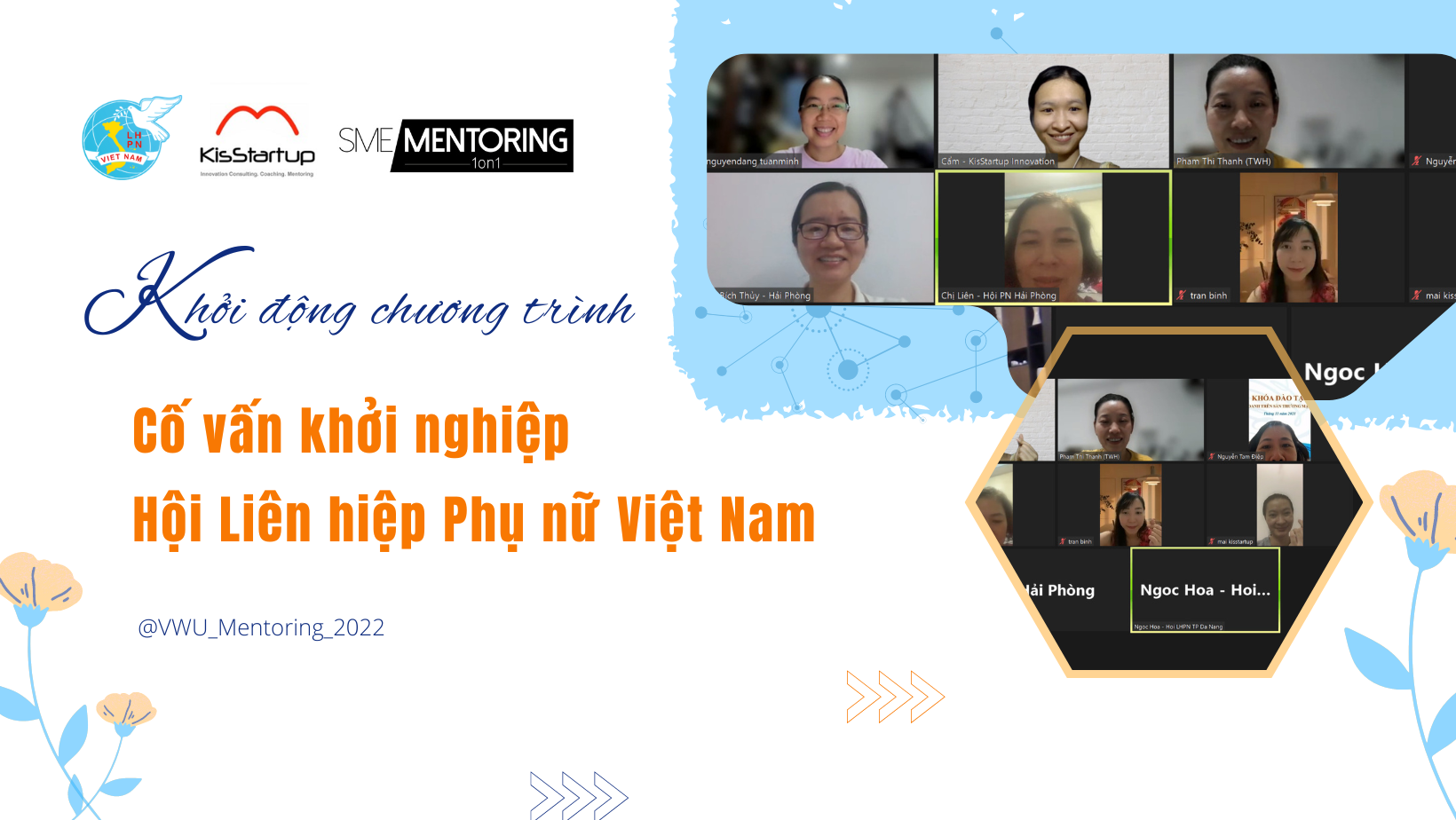
VWU MENTORING VWU MENTORING - Kick-off for the Women Entrepreneurship Mentoring program

 On September 5th, 2022, a training session on personnel and operation management was organized by the Vietnam Women's Union and KisStartup Joint Stock Company with the participation of representatives of the Vietnam Women's Union and also Hai Phong and Da Nang district women union. The training session did not only stop at training but also marked the beginning of the journey building in-depth start-up support activities for women in the localities.
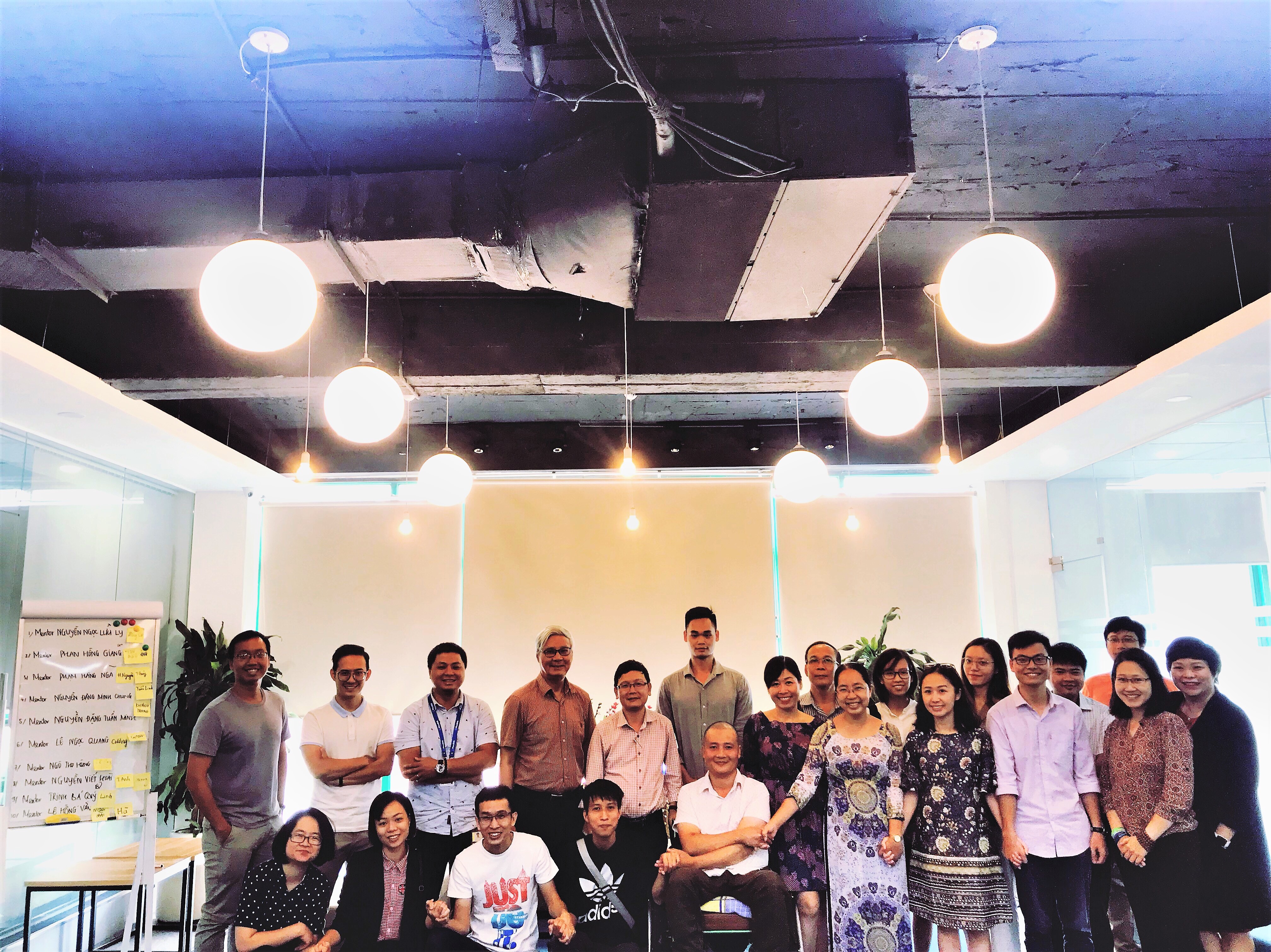
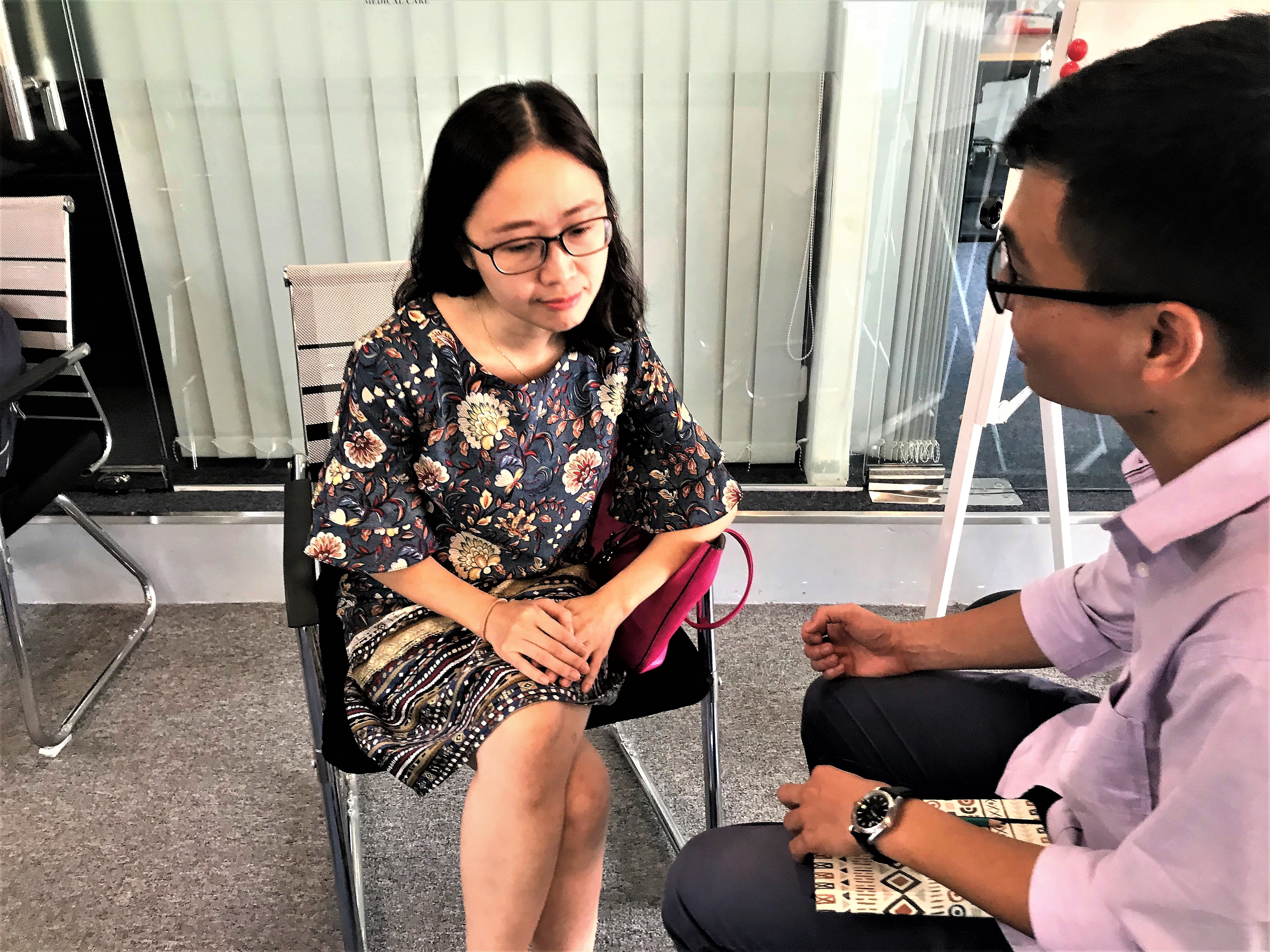
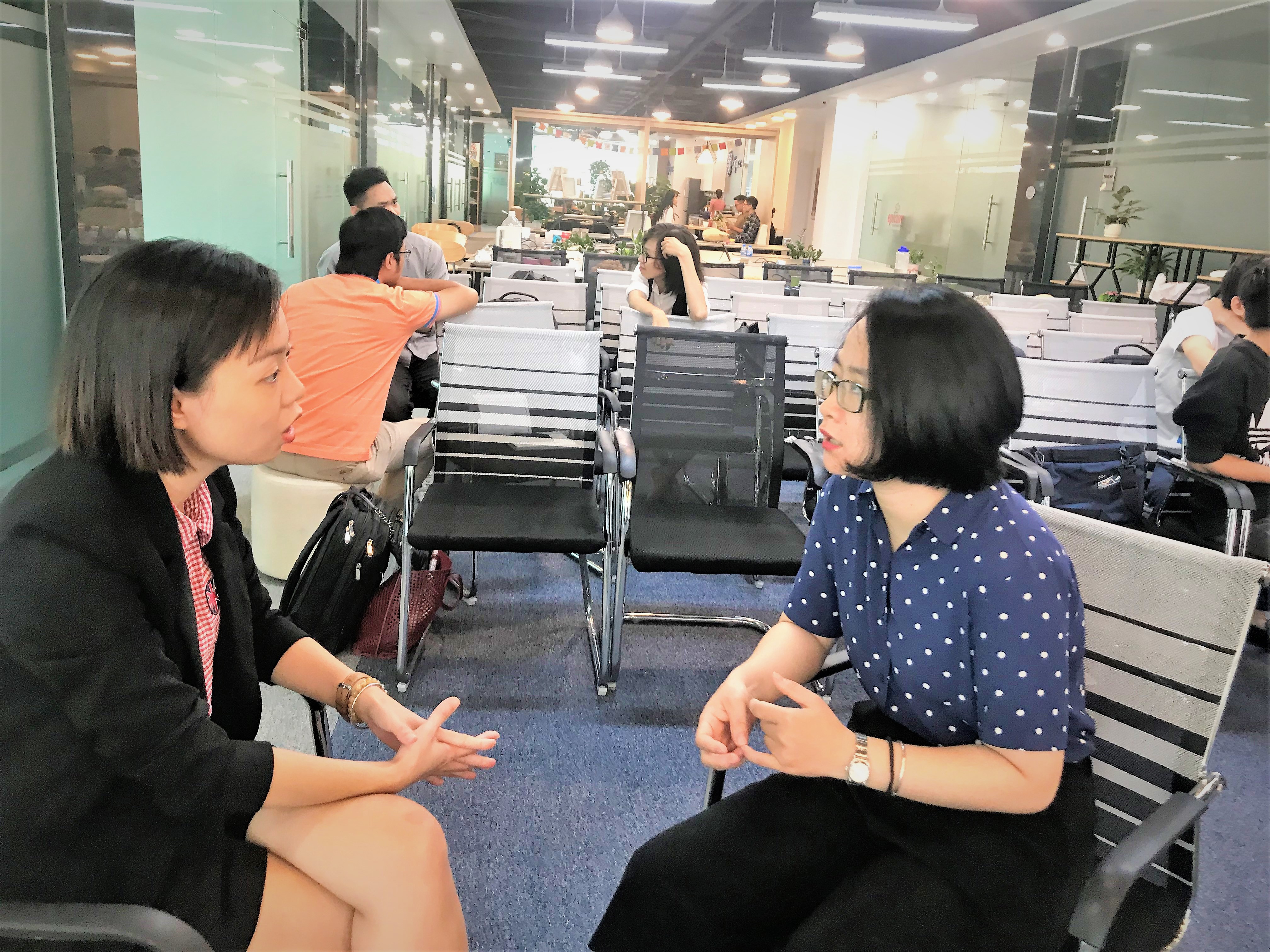
Mentoring is not a new concept in the business and startup community in Vietnam. A mentor is actually an experienced person, who wants to help accompany founders and young business owners to grow in many aspects, thereby operating the business more effectively. For their part, mentors are also more mature in their ability to positively influence others, learn from younger generation and practice listening skills, the ability to ask good questions.

      Famous leaders or entrepreneurs in the world all have a mentor and mentee, typically Steve Jobs. One of his mentors is the Zen master Kobun Chino Otogawa - who had a great influence on Steve Jobs' outlook on life and the philosophy of Apple's designs.

      It would not be wrong to say that mentoring is the weapon of large corporations to small businesses in business operations.


VWU Mentoring program aims to:

  1. Build the first Business Startup Mentoring program of the Vietnam Women's Union.
  2. Have a sustainable development operating model, organizational structure, operate philosophy and create value for participants, especially women who start their businesses in localities.

Program logic:

  1. Stage 1: Run a workshop to find out the problems that female business owners face in the process of running their businesses).
  2. Stage 2: Design the model according to the actual requirements of Mentor - Mentee.
  3. Stage 3: Recruit Mentor - Mentee.
  4. Stage 4: Mentor - Mentee Pairing.
  5. Stage 5: Monitor
  6. Stage 6: Adjust the model

Information about upcoming events:

In Hai Phong:

  1. Workshop "Application of Startup Mentor in Small and Medium Enterprises" takes place on September 14th, 2022.
  2. Orientation and matchmaking session on September 28th, 2022.

In Da Nang:

  1. Workshop "Application of Startup Mentor in Small and Medium Enterprises" takes place on September 26th, 2022.
  2. Orientation and matchmaking session on October 3rd, 2022.
Author: 
KisStartup

SME Mentoring 1o1 Hanoi: Season 2019 - 2020 get started

MENTORING 2019 – 2020

A new season of SME Mentoring has officially begun. Let's meet Mentor and Mentor - Mentee couples in SME Mentoring Program 2019 - 2020. With the 2019-2020 season, KisStartup expects nothing but the fact that each Mentor - Mentee pair will have interesting experiences and establish a beautiful friendship between an old friend and a young man over three months, then another 6 months, the next 12 months and much more. On October 5, 2019, the Matching Day set a starting milestone for an SME Mentoring 1on1 Hanoi 2019 - 2020. With the participation of 10 mentors and 16 mentees, this year's mentoring season start with 16 new pairs Mentor - Mentee. Especially, more than 02 mentors in the program also find a mentor - an old friend right on Matching Day. Wish you and your friends will come together through all ups and downs - 3 months, 6 months and complete the whole year seriously and gather many meaningful things and bring about interesting experiences.

--
#mentoring #smementoring1on1hanoi #covankhoinghiep


KISSTARTUP'S TWO NEW WEBSITES INTRODUCTION

Dear alls,

Starting from the needs of your startup, in August 2016, KisStartup introduces you two websites we developed to better companion with you.


ZHOST.TOP: For startup in information technology or e-commerce. ZHOST.TOP you will be consulted  the best, safest, and most cost-effective solution in cloud-hosting for storing your data.

COVANKHOINGHIEP.COM: Are you looking for a mentor? Do you want to be a mentor? Sign up with us on KisStartup's official website: covankhoinghiep.com. Also on the page, you will find partners who are offering mentoring support across Vietnam. On the whole story with startup, it is together to build a mentoring culture.


KISSTARTUP'S PLAN 2016

What does KisStartup 2016 have?

If you are planning for 2016, take your time for our activities:

1. Training of Innovation Coach: Following the success of the TOT1 - IPP, we - the first seeds of the program are desiring  open Extensive network of innovative coaches and startups across Vietnam. In 2016, we expect to develop this program in Hanoi, Ho Chi Minh City and Da Nang. If you are Interested in the program, please contact us.

2. Community Activity: Startup Square Startup Playground: A dynamic, impressive and vibrant space


- Mindset Playground: 1 time / month: Learn and practice through games in the series. Here you will experience the startup game to learn for yourself, your team and bring new tools for your business.

- Startup Book: 2 times / month. Introduce important books for startup and how to apply them.

3. Training and Sharing - Community Workshop: Weekly: Needed topics such as marketing, finance, investment, human resources, law, intellectual property, etc. will be introduced with our experts

4Mentoring Netwwork: With the success of the very first mentors and mentees in 2015, we keep going on developing a mentoring-1 to 1 in Ho Chi Minh City to Hanoi.

Innovation is a process of learning, sharing, exploring and practicing continuously, so with these activities, in 2016, we hope to be with you  experience,

KisStartup.


Author: 
Abc

BUSINESS ENGLISH FOR STARTUP

HAVE YOU EVER MEET A FOREIGN INVESTOR BUT CANNOT SPEAK IN ENGLISH EVEN A WORD?

English is one of the biggest weaknesses of many startups in Vietnam. Wishing to support young people to improve their English language skills, KisStartup builds the Business English Mentoring Program (English for Startup).

The program is the result of serious observations and work by KisStartup. It provides practical and useful content to help business owners confidently enter the workforce.

We start with Level 1, which focuses on improving confidence with the basic, practical communication with startups.

- A modern learning style that enhances your initiative in learning;

- You will be taught, tutoring, editing and training directly;

- Our faculty is not only a teacher but also a mentor to you;

- Each day during the course you will have 5 minutes of speaking in English with mentor with a topic;

- To make sure the effectiveness, the class is limited to 4-10 students;

- Every week, you will be able to participate in ENGLISH ENGLISH at a KisStartup startup event.


Time: 04 weeks, 02 times/ week, 02 hours/ day, from 18h-20h.
Location: P209, 18T1 building, Le Van Luong street, Cau Giay district, Hanoi.
Tuition fee: 2,000,000 VND / student / course.
Fee for English Networking Night (optional): VND 100,000 / person.

IF YOU AGREE TO IMPROVE ENGLISH IN ONE MONTH, JOIN US!

Register at HERE.

KisStartup